Is Your AI Generated Codebase Actually Protecting Patient PII?
Code written by AI tools rarely gets a real security review. Here is how to tell if it is actually protecting patient PII.


This is some text inside of a div block.
Code written by AI tools rarely gets a real security review. Here is how to tell if it is actually protecting patient PII.
An AI tool wrote most of the codebase, the app works, and customers are using it. None of that answers the question that actually matters for a behavioral health platform: does the code protecting patient PII actually protect it, or does it just look like it does?
AI coding tools are optimized to produce code that runs and passes a quick manual check. They are not optimized to produce code that resists a determined attacker or handles PII the way a healthcare product needs to. Veracode's 2025 GenAI Code Security Report found that AI generated code introduces security vulnerabilities in 45 percent of cases across the languages studied, choosing an insecure implementation nearly as often as a secure one when both options were available to the model. A codebase that has never been checked against that pattern is not protecting PII by design. It is protecting PII by accident, if at all. This distinction matters more than it sounds. A feature that appears to work correctly in every test a team runs can still be handling PII in a way that only fails under conditions nobody thought to test for, an unusual input, a concurrent request, a field that was supposed to be optional but was not validated as such. Working and secure are two different bars, and AI generated code tends to clear the first one far more reliably than the second.
A few failure patterns show up consistently in AI generated healthcare codebases, and they map directly onto how patient data actually gets exposed. None of them require a sophisticated attacker to matter. Most are found by a routine review looking in the right places. Hardcoded credentials and secrets. AI tools frequently generate sample code containing API keys or database credentials directly in the source. One industry analysis found AI generated repositories showing a secret leakage rate of 6.4 percent, higher than traditional projects, with the large majority of those exposed secrets remaining active even after being flagged. In a codebase handling patient data, an exposed credential is a direct path to PII, not a theoretical risk. Missing input validation. AI generated code tends to introduce more input validation errors than equivalent human written code, which matters directly for PII because unvalidated input is one of the most common paths to a data exposure or injection vulnerability. Overly broad data access. Code generated to solve a specific feature quickly often pulls more data than the feature actually needs, a full patient record where only a name was required, because scoping a query narrowly takes more thought than a fast implementation typically gets. This pattern is easy to miss because the feature still works correctly. It simply exposes more than it needed to along the way. No consistent encryption pattern. PII handled correctly in one part of an AI generated codebase is sometimes handled inconsistently elsewhere, encrypted in one table but stored in plain text in a related one, because each piece of code was generated somewhat independently rather than against a single enforced standard. Logging that captures more than it should. Debug logging added quickly during development often captures full request bodies or user objects, including PII, and that logging configuration frequently survives into production untouched.
A behavioral health platform built its client intake flow with heavy AI assistance to move quickly ahead of a launch. The feature worked well in testing. Months later, a routine review found that the intake form's debug logging, added during development and never removed, was capturing full submission payloads including names, contact details, and free text answers describing why a client was seeking care. None of it was encrypted at rest in the logging system, and the logs themselves had broader access than the production database they were meant to help debug. Nobody had intended any of this. It accumulated from a series of individually reasonable shortcuts, each one invisible until someone specifically went looking for where PII actually lived across the whole system, not just in the parts that were obviously supposed to hold it.
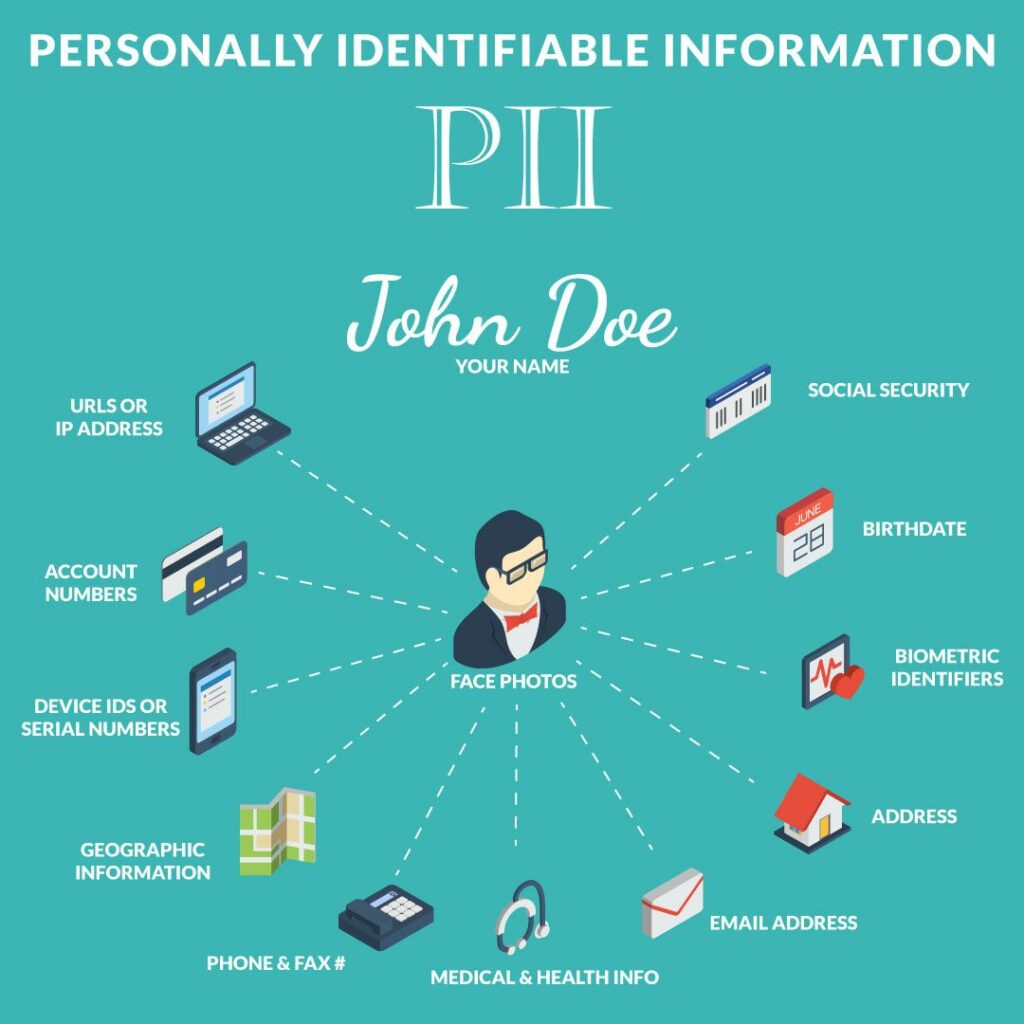
Checking whether a codebase protects PII requires more than reading through it once and confirming it looks reasonable. It requires tracing exactly where PII enters the system, following it through every function and API call that touches it, and confirming encryption, access control, and logging behavior at each point along that path. It also means testing the code the way an attacker would, not just the way a demo would, since AI generated code that behaves correctly under normal use can still fail badly under adversarial input. A thorough version of this exercise usually surfaces at least a few PII exposures in places nobody was actively looking, precisely because the exposure was never in the feature everyone reviewed carefully. This is the core of what our AI Acceleration Sprint reviews in the first two weeks of any engagement.
A PII exposure discovered by a customer's security team or, worse, by an actual breach costs far more than the same finding surfaced through a planned review. Beyond the direct cost of remediation, an exposure discovered externally becomes a disclosure conversation, a trust problem with every customer who hears about it, and in behavioral health specifically, a risk to exactly the population the product was built to help. Healthcare breaches also remain the most expensive category of data breach to recover from across any industry, which makes the cost of finding a gap through a customer or a regulator meaningfully higher than finding it through a review run on a team's own schedule. Our pricing page lays out what a structured review costs set against that alternative.
Does using an AI coding tool automatically mean our code is insecure? No, but it does mean the code needs the same or greater scrutiny than code written entirely by hand, since AI tools introduce specific, well documented vulnerability patterns that a quick manual review often misses.
How do we know if PII is actually exposed in our codebase right now? The only reliable way is a structured trace of every place PII enters the system, checked against encryption, access control, and logging behavior at each step, rather than a general impression that the code looks fine.
Can we fix this without rewriting the whole application? Usually yes. Most PII handling issues are specific and fixable, a missing validation check here, an overly broad query there, rather than a reason to rebuild the entire codebase from scratch. Our FAQ page covers a few more scenarios like this one.
Is this a one time check, or does it need to happen again as we keep building? It needs to be ongoing. Every new AI generated feature carries the same risk as the first one did, so the check needs to become part of how code gets reviewed going forward, not a one time audit that gets filed away.
What is the difference between this and a general security audit? A general security audit tends to check broad categories like network security and access controls. A review focused on PII in AI generated code traces the specific path patient data takes through every function it touches, which catches issues a broader audit is more likely to miss.
Resolve Health Tech traces exactly how patient PII moves through an AI built codebase, and fixes what it finds instead of just documenting it. Contact us to find out what your own codebase is actually doing with patient data.
Sana is a Technical Content Specialist at Resolve Health Tech. She specializes in breaking down complex architectural patterns, nearshore hiring trends, and software engineering workflows into actionable, human-friendly guides. Working alongside Resolve Health Tech's tech team, Sana ensures every piece of content is both highly readable and technically precise.